2023
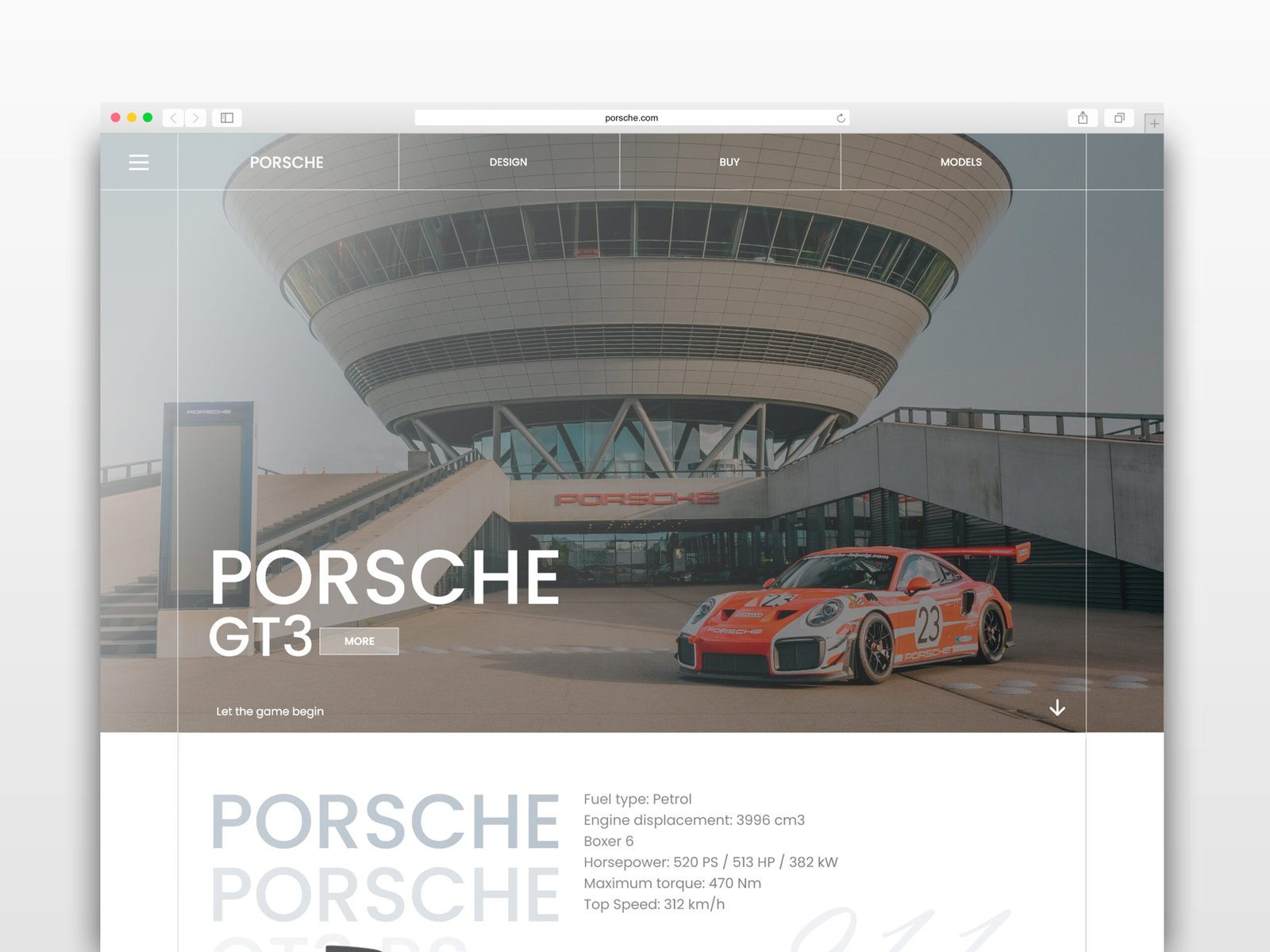
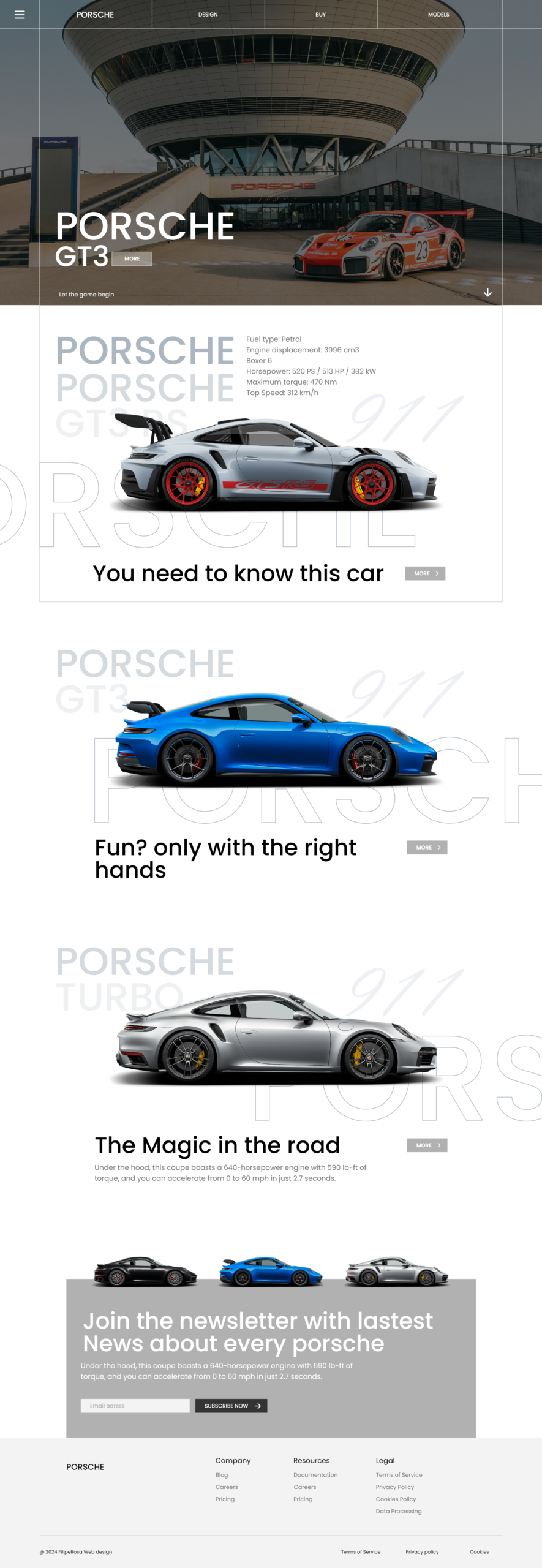
Porsche website
UX/UI
Research
The luxury automotive sector demands a unique balance between emotional brand storytelling and frictionless digital utility. To lay the foundation for this project, an in-depth research phase was conducted analyzing high-net-worth consumer behaviors, competitive premium automotive platforms, and digital dealership expectations. The insights revealed that prospective luxury car buyers do not view a website simply as an information portal, but as an extension of the physical dealership experience. Users expect immediate visual feedback when exploring customization options, highly responsive interface transitions, and zero cognitive friction when transitioning from digital browsing to scheduling an in-person dealership consultation or test drive. Furthermore, mobile research highlighted that a significant portion of initial vehicle discovery occurs on mobile devices, making an uncompromising mobile-first design strategy essential.
Challenge
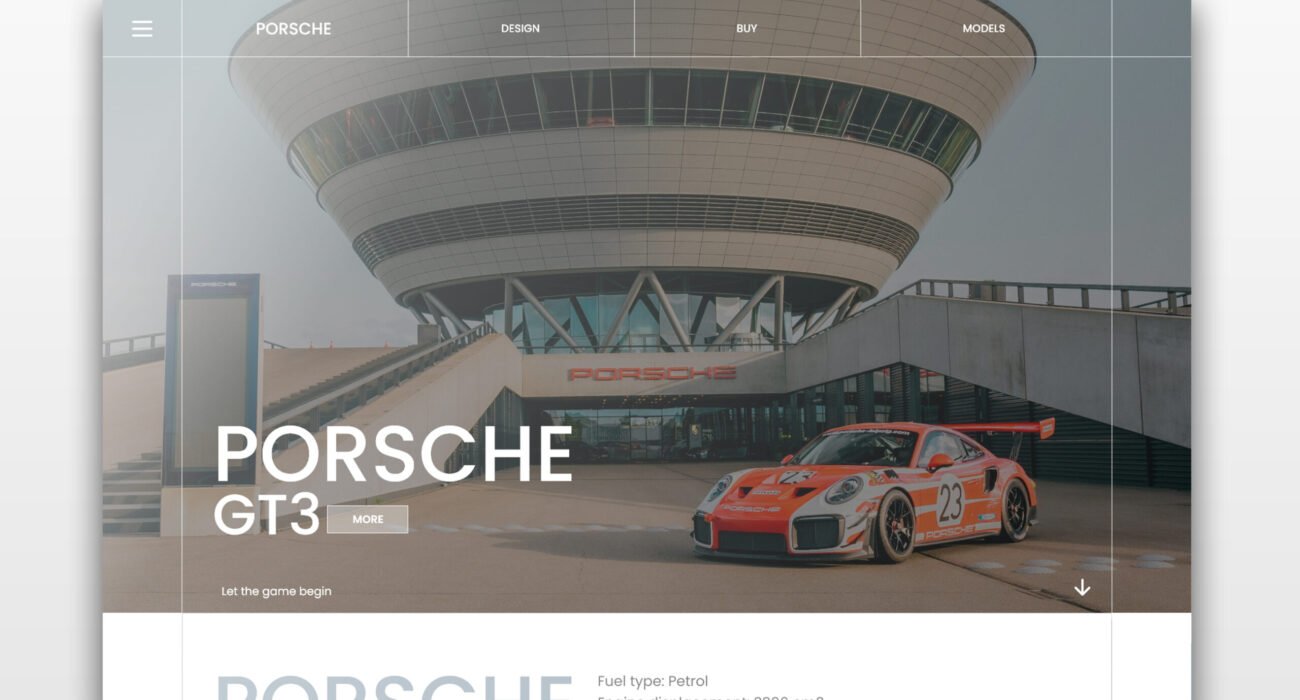
Designing a digital experience for a prestige brand like Porsche presents the challenge of honoring a legacy of precision engineering while creating a modern, digital-first product interface. The primary obstacle was structuring vast amounts of complex technical specifications, customization options, and heritage storytelling into an effortless visual hierarchy that does not overwhelm the user. Existing digital touchpoints often suffered from fragmented user journeys, where configuring a vehicle felt detached from the final inquiry or test-drive booking stage. The design challenge was to create a cohesive, modular UI framework and detailed design system that could showcase high-resolution visual assets smoothly, guide users through complex vehicle choices intuitively, and hand off flawless specs to the external engineering team for front-end execution.
Process
- User Journey Mapping & Architecture: Defined end-to-end user flows for distinct buyer personas, mapping out seamless pathways from initial model discovery to full vehicle configuration and dealership inquiry.
- Low-Fidelity Wireframing: Created structural wireframes to test content layout, navigation patterns, and specification display logic, ensuring the visual hierarchy prioritized key automotive features.
- Design System & Visual Component Library: Built a scalable UI kit incorporating brand typography, high-contrast dark/light mode surface tokens, custom iconography, and micro-interaction states tailored for automotive showcases.
- High-Fidelity UI & Interactive Prototyping: Developed pixel-perfect interface layouts and interactive prototypes to validate gesture interactions, smooth gallery transitions, and dynamic configuration flows.
- Usability Testing & Feedback Refinement: Conducted interactive prototype walkthroughs with target users to identify navigation friction points, refining button placements, visual feedback, and form interactions based on real user behavior.
- Developer Documentation & Handoff: Prepared comprehensive design handoff documentation, including auto-layout specifications, interactive state guides, spacing grids, and design tokens to ensure the external development team executed the vision with pixel-perfect accuracy.